
DeveloPassion's Newsletter #210 - LLM Wikis


Edition 210 of my newsletter, discussing Knowledge Work, AI, Knowledge Management, Management, Zen Productivity, Personal Organization, and more!
Hello everyone! I'm Sébastien Dubois, your host. You're receiving this email because you signed up for DeveloPassion's Newsletter, or bought one of my products. Thank you for being here with me ✨
If you enjoy this, please forward it to your friends ❤️. If this email was forwarded to you, then don't forget to subscribe and become a supporter
Welcome
Welcome to all the new readers ❤️
It's been a few weeks since the last edition, and I have A LOT to share with you 🤩
First, some personal news. I'm now leading an AI Working Group at my day job. We're helping colleagues discover, use, and actually leverage AI. Some are barely scratching the surface. A few others are further along. My goal is to help everyone climb the Levels of AI use and Levels of AI Context Management ladders; from basic chat usage all the way to agentic workflows with proper context engineering. So we're covering the whole spectrum: documenting and sharing key concepts, recording video capsules, doing R&D, exploring tools, setting up a governance framework for AI tools and usage, building AI skills, agents, and more. It's a ton of fun. The overlap between personal AI skills and organizational ones is much bigger than most people think.
I've also started planning a new book: The Context Layer. It will cover AI, Context Engineering, and Knowledge Management; from understanding AI to building agent systems to managing context at every scale, for both personal and professional work. The table of contents is already taking shape, and I'm really excited about this one. Context Engineering is, in my opinion, a highly valuable skill to develop right now if you want to get real value from AI. Better prompts are not enough. You need better context. And that starts with better Knowledge Management. I'll share more about the book as it progresses 🚀
You know, there's a quote I keep coming back to: "Extreme results come from extremely obsessed people." I've been SO obsessed with Knowledge Management, and I just can't help it. I feel the need in my soul to help others understand the value. Individuals first, but also small and large companies. Knowledge Management is an operating model; not just a system to store things. It's how you think, how you work, how you run your business, how you build the perfect context for AI. A solid knowledge system becomes the foundation for everything else. The gap in most people's lives is gigantic, and the opportunity cost for companies is staggering. That's why I keep building, writing, and sharing.
On the entertainment front, I went to the movies and watched Project Hail Mary featuring Ryan Gosling. I gave it a 9/10, which is really rare for me. Awesome movie. If you like science fiction that's smart, emotional, and genuinely funny, go see it. I also re-watched Gran Torino (another 9/10 🙃). Clint Eastwood at his best.
On the health front, I've been running consistently. I finally managed to run >5km without walking this week 🏃. My legs complain (and I'm cautious about re-injury), but the momentum feels good. Small wins compound.
Alright, let's gooooo 🚀
Highlights
- 🧠 Obsidian Starter Kit v4 is coming!
- 🧠 Built a full LLM Wiki system based on an idea by Andrej Karpathy
- 🔌 Created and released the Graph Explorer Base View plugin for Obsidian
- ✍️ Published 7 new articles and 3 new YouTube videos
- 📖 Started planning a new book: The Context Layer
- 🤖 Completed Phase 1 of my AI Assistant architecture project
- 🎬 YouTube channel: 800+ subscribers and 2/3 of the way to monetization
- 📬 Reached 6,000+ newsletter subscribers across platforms
- 🧩 3,750+ concepts on https://concepts.dsebastien.net
Before You Go Any Further
I want to reach more people. Got 20 seconds? Then share the link with one friend/colleague who would benefit from joining us! And of course, don't forget to also mention the Knowii Community ❤️
And if you bought some of my products or courses? Then please leave a rating/review. It really helps a lot ❤️
The Lab 🧪
A lot has been happening these past weeks. Let me walk you through the highlights.
📬 6,000+ Newsletter Subscribers
We crossed the 6,000 subscriber mark across all platforms. Thank you all for being here and for your support ❤️
🚨 Obsidian Starter Kit v4 Is Coming
This is the big announcement. I'm focusing the next few weeks on (finally) releasing Obsidian Starter Kit v4. And honestly, what's coming is awesome.
The biggest change is that v4 will be fully AI-enabled. The goal is NOT for AI to replace your thinking, but to enhance it. Also, AI is perfect for handling all the boring parts of knowledge management.
Your knowledge base is also the perfect home for your "AI brain". And v4 will fully support that through a complete AI Assistant System: specialized agents with persistent identity, accumulated memory, ... Not a generic chatbot, but a team of AI agents that live IN your vault, operate on your actual notes, and get better the more you use them. The system has three layers: a bootstrap layer that loads automatically, a routing layer that maps your intent to the right agent, and an execution layer that lazy-loads only what's needed. Think of it as your personal AI team; a ghostwriter, an editor, a researcher, a strategist, a coach; each with its own expertise and memory. This is experimental but I keep iterating & improving the system for myself and I'm super eager to enable more people to leverage all this. In v4, I'm adding a dedicated folder structure for your AI assistant, new templates, a memory system, and a whole lot more.
I also explored hundreds of AI skills other people built and took inspiration to build AI skills across a wide range of categories: vault maintenance, content creation, publishing, research, task management, identity and self-knowledge, productivity, thinking frameworks, visual thinking, health tracking, people and relationships, discovery and serendipity, reviews, goal management, and business operations. The coverage is comprehensive. It's actually too much and it will definitely be rationalized, but it's a solid starting point.
This upcoming release will also include the new Obsidian Starter Kit plugin that I've built. It enables what I've been missing in Obsidian forever: a way to really strongly type notes, with clearly-defined properties, tags, mappings, etc. All through a proper configuration UI. It also includes a Model Context Protocol (MCP) server, a cross-platform CLI (perfect for AI tools), and fully supports the Typed Markdown Collections Specification (md-base). This means your vault structure is now machine-readable and programmable. AI tools can efficiently discover note types, properties, tags, templates, ... This goes MUCH further than anything I've seen. Most people who use AI with Obsidian generate notes that have very little standardization (i.e., poor results and poor maintainability). What I've built is on a whole different level.
One of the other big features of the upcoming v4 release is the LLM Wiki system. Think of those as AI-maintained knowledge bases that live inside your vault. A new note type (type/ai_wiki), multiple dedicated AI skills (create, ingest, explore, query, lint, deepen, graduate), a Wiki Curator AI Agent, and a wiki review panel. In my first real test, I generated 100+ wiki articles on Personal Knowledge Management in a single session. Each article is a structured, source-tracked, connected vault note.
Important: I will increase the price of the Starter Kit after the v4 release. If you've been on the fence, now is the time to grab it at the current price. Keep in mind: 4 years of continuous work, 1,000+ happy customers, a one-time purchase (not a subscription), and lifetime access to all future updates. That's a lot of value for a one-time investment, and improvements will keep coming.
 Knowledge Forge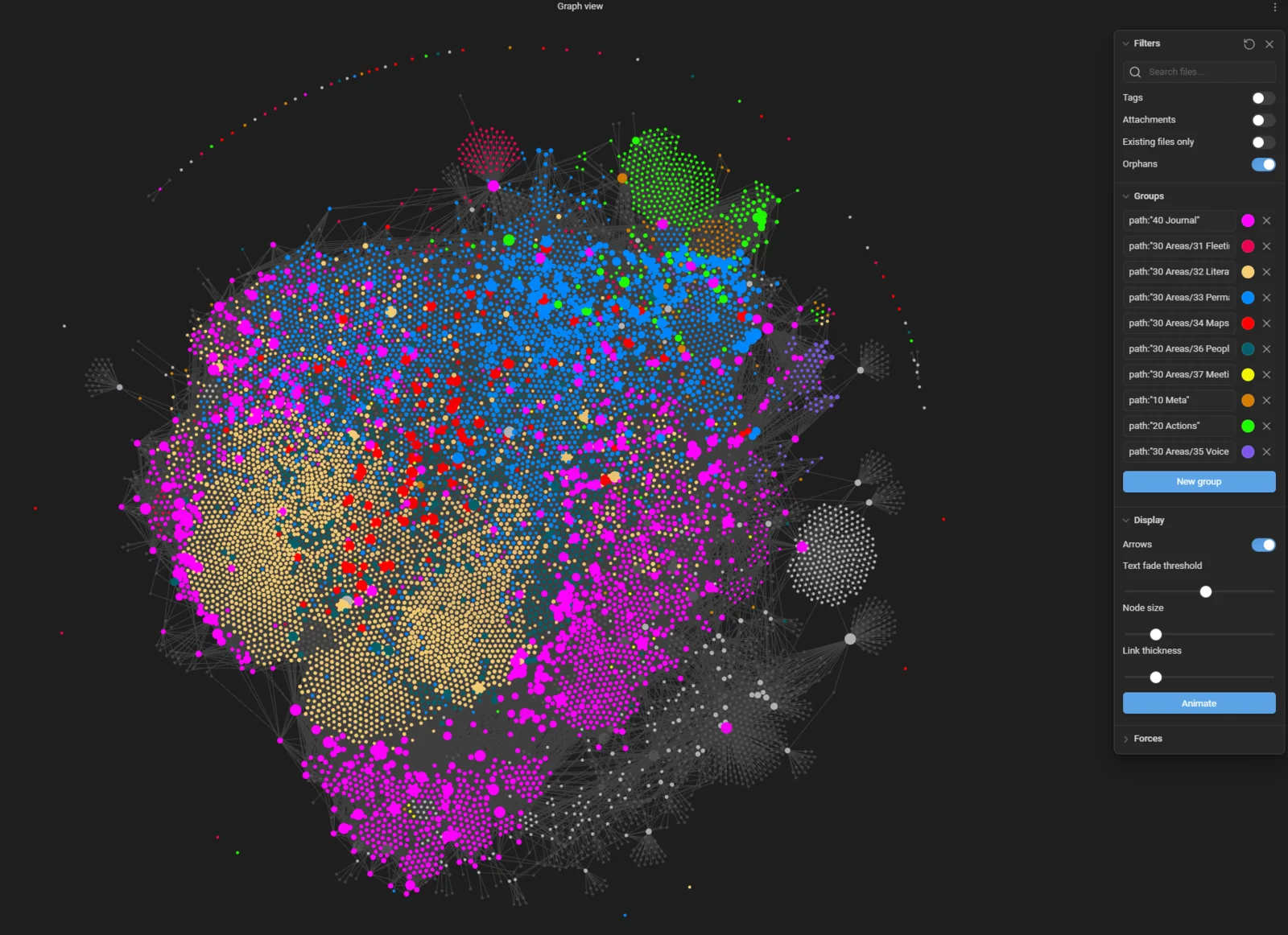
Graph Explorer Base View Plugin
Along with support for LLM wikis, I've built the Graph Explorer Base View plugin for Obsidian. It' a custom Obsidian Base view type that renders notes filtered by a Base as an interactive force-directed graph.
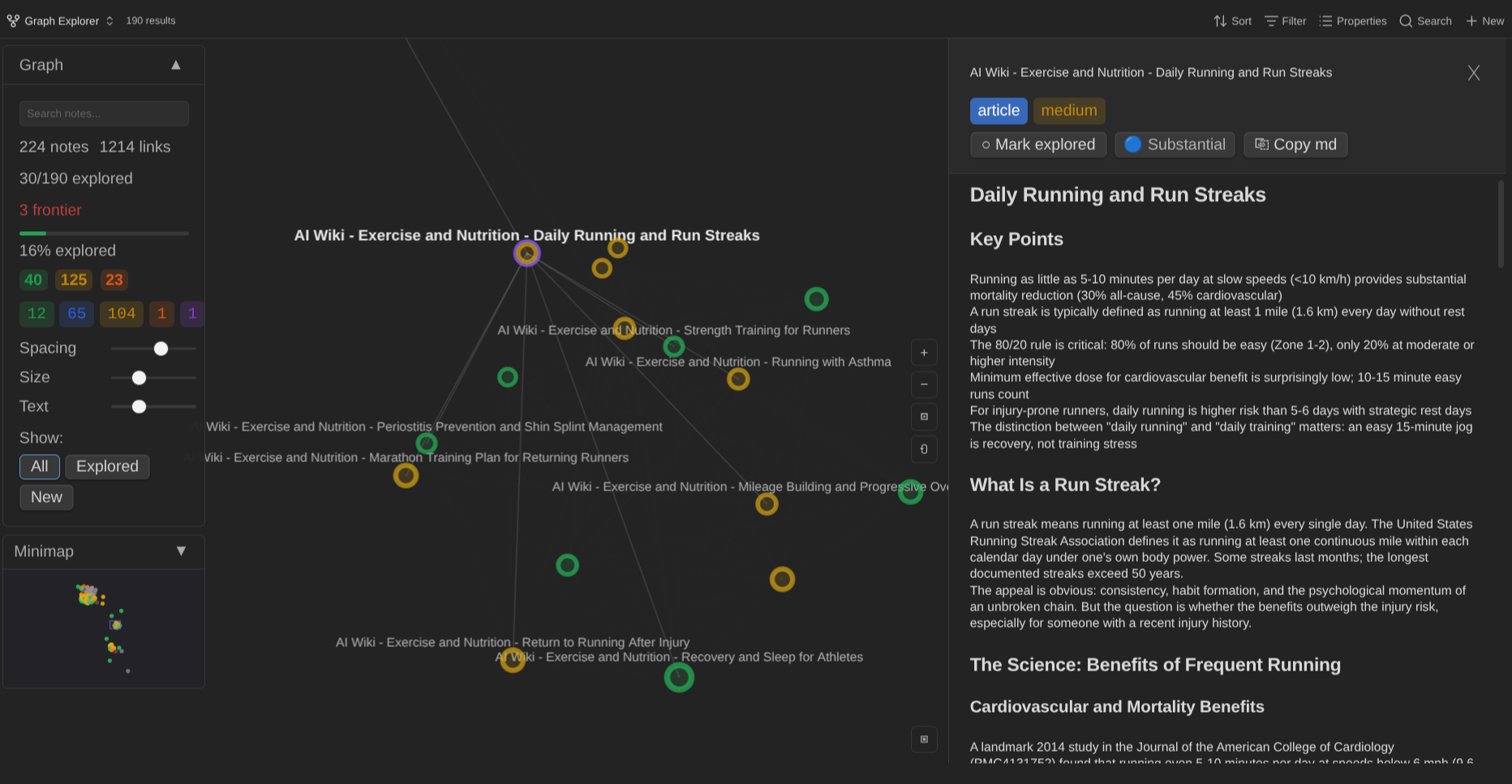
Each node in the graph is one of the notes. The links appear as edges (similar to the built-in Graph view core plugin for Obsidian). But there's a lot more. When you click on a node, it opens a side panel with the content of the note. The plugin tracks what you're explored already (awesome for reviewing notes). In addition, you can move individual nodes or entire groups, and their position is saved, which enables creating a sort of Mind palace.
The graph has different controls, a minimap, a legend, and uses distinct colors and shapes for different node types.
I find this SO much more useful than the built-in Obsidian Graph View, because it lets you visualize any filtered set of notes (not just the entire vault). It's especially powerful for LLM Wikis, where you want to see clusters, gaps, and connections at a glance. But it's also super useful for any other set of notes.
I wrote about it in detail:
Sebastien Dubois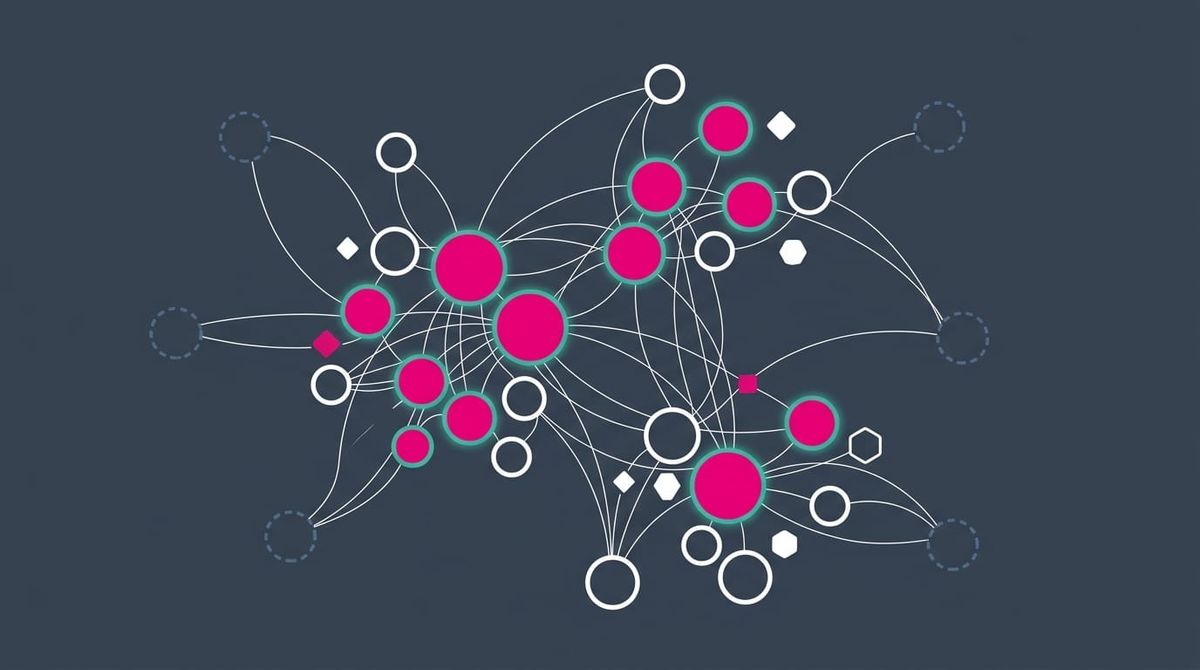
Other Obsidian Plugin Improvements
I've also improved other plugins:
- Transcriber plugin for Obsidian: new commands to transcribe all images in the current note, all images in a folder, and right-click support within notes. Way more convenient than before.
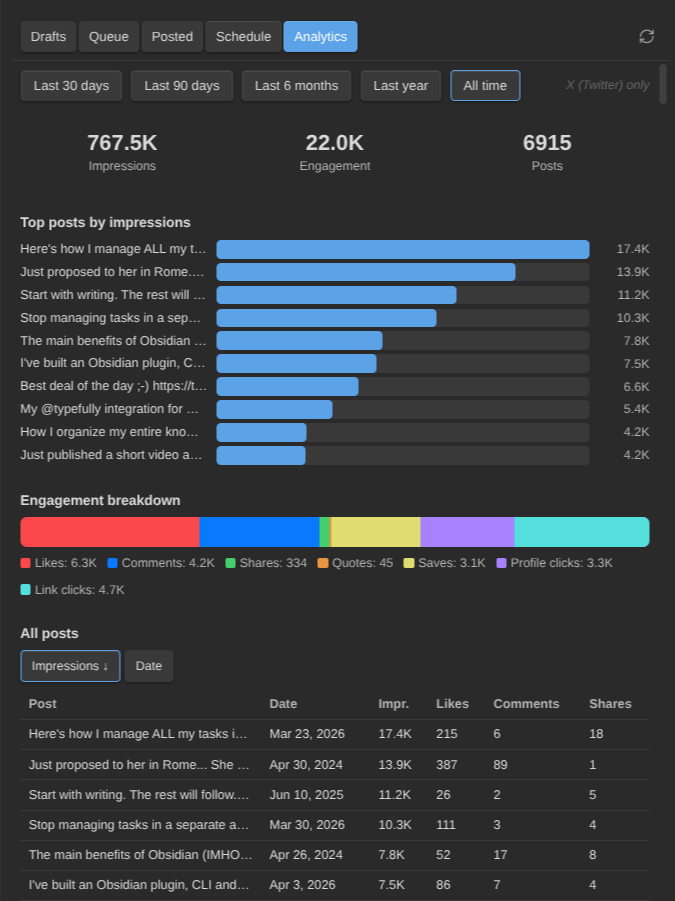
- Typefully plugin for Obsidian: added an analytics panel so you can track your social media post performance directly from Obsidian.
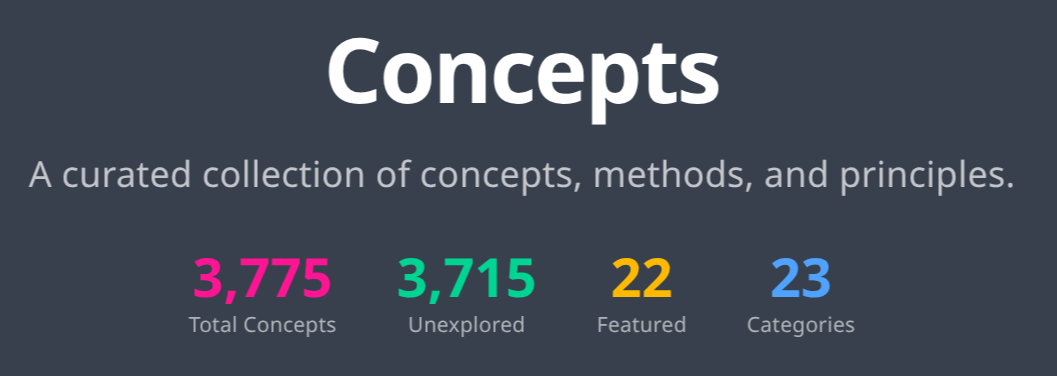
🧩 3,750+ Concepts
The Concepts Website now has 3,750+ concepts, mental models, and frameworks.
You can learn more about it here:
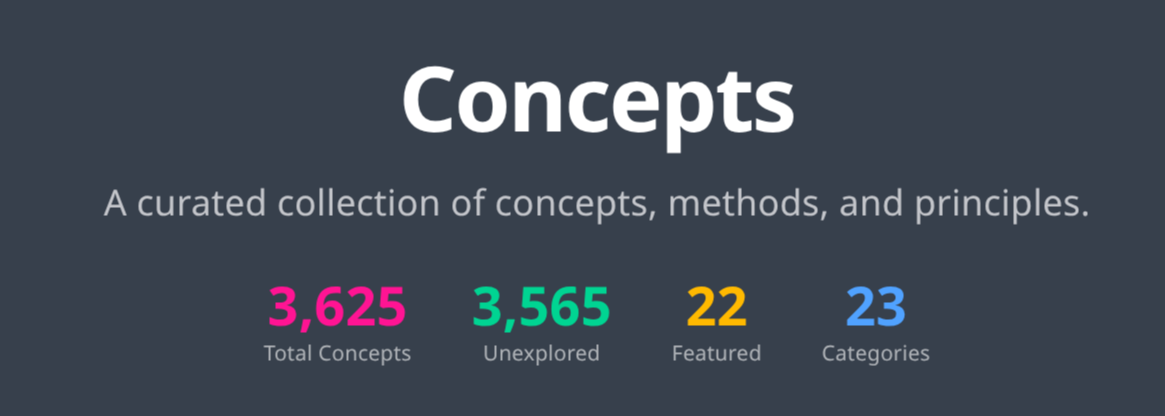
Aside from that, I've been publishing a ton of notes around AI concepts, tools, patterns, and more. This will keep growing as I enrich it with what I'm also documenting at work through the AI Working Group. The concepts Website and my own notes are cross-pollinating a lot too. Ultimately, most of the concepts I publish will also be part of my own knowledge base and public notes, connected to the rest of my ideas and going much deeper.
AI Concepts Teaching Map
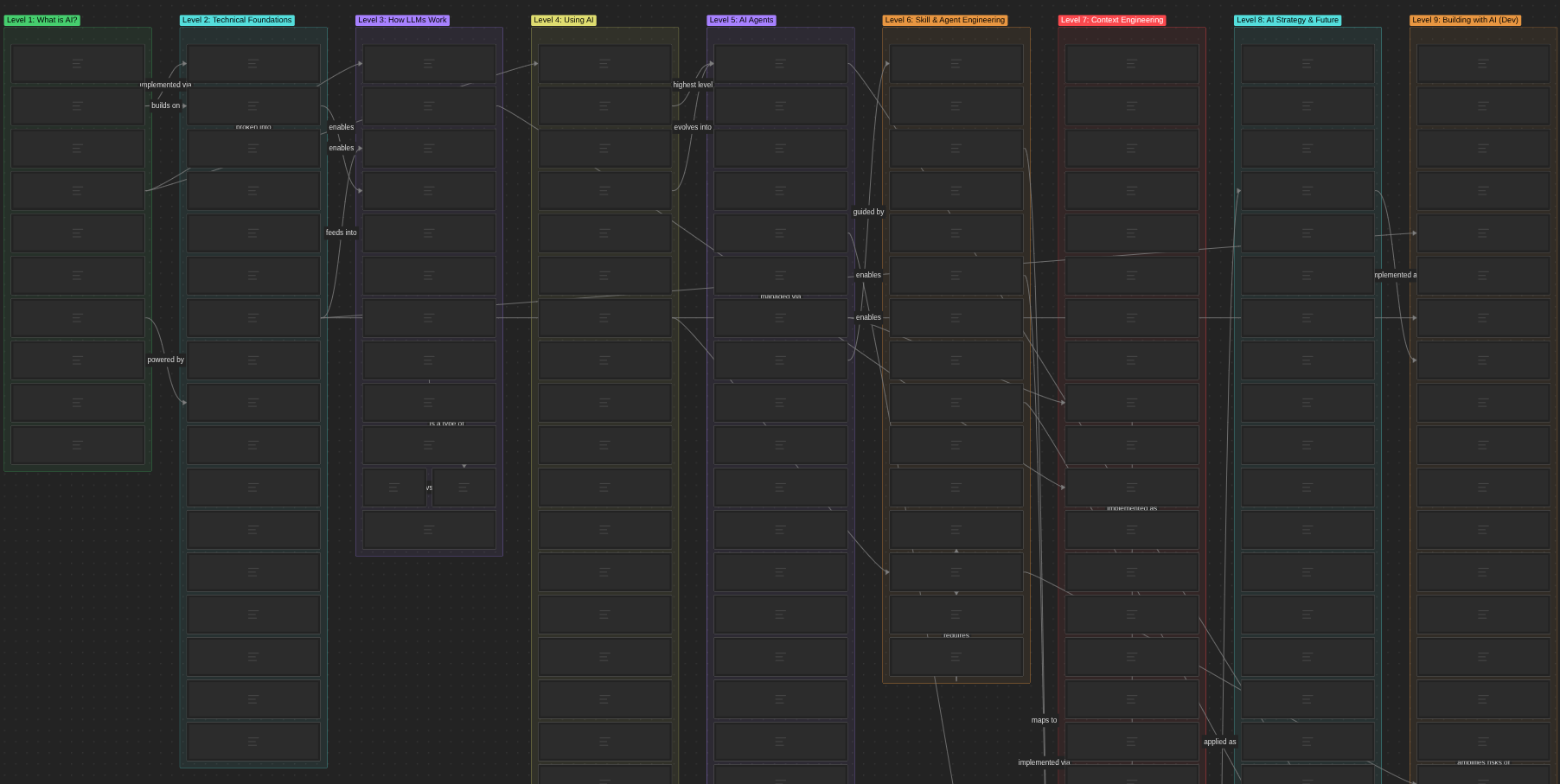
I built a deep AI Concepts Teaching Map; an interactive Obsidian Canvas connecting dozens of AI concepts, tools, patterns, and methodologies. I'll use it for our next Knowii Community workshops. If you're interested in structured AI education, that's one more reason to join the community. We go deep, and we go hands-on 🔥
 Knowledge Forge
Readwise Integration
My Obsidian AI Skills now have deep support for Readwise through the Readwise CLI and dedicated Readwise AI Skills. This means my LLM Wiki skills (and various others) can pull highlights, annotations, and reading data directly from Readwise when doing research, ingesting sources, or building wiki articles. If you use Readwise alongside Obsidian, this is super useful for turning your reading into structured, connected knowledge.
One more "tamed" information silo ;-)
These skills will also be included in Obsidian Starter Kit v4.
Reader Persona
Using the Readwise AI Skills, I created My Reader Persona; a structured profile based on my curated content in Readwise. It captures my reading patterns, interests, and intellectual focus areas. This will be useful for me to find relevant content recommendations (e.g., books).
Another example of turning curiosity and reading data into actionable self-knowledge.
AI Skills for Business Automation
Beyond the above, I've also built AI skills to automate various parts of my business: publishing articles and newsletters, promoting content across platforms, creating social media posts, running competitor analysis to uncover competitors and content gaps, and more. I also created AI skills to run competitor analysis; scanning the PKM/Obsidian space to find gaps and opportunities. The goal is to systematize as much of the repetitive work as possible so I can focus on creating and thinking. I'll share more details about those as part of my effort to coach and support other content creators.
YouTube Channel Progress 🎬
My YouTube channel keeps growing: 800+ subscribers, roughly 10K views, 400+ watch hours this period, and 2,000+ watch hours over the last year. I'm now about two-thirds of the way to monetization 🎉. If you haven't subscribed yet, that would help a lot! Every subscriber counts toward unlocking the next milestone!
The TaskNotes plugin video has been doing really well, which is encouraging. It shows there's real demand for practical Obsidian workflow content. I'll also soon publish a video about the Levels of AI Context Management; a topic I think more people need to learn about.
On the production side: recording myself feels less and less like a barrier, which is great. The initial setup still takes me too much time each time I want to record, but I'm getting there. Where I'm really struggling is editing. It's time-consuming, I'm still learning, and I can't afford a great video editor right now. I hired two editors for recent videos, but I wasn't convinced; both by the interactions/time spent & results. So I resumed editing myself, even if I'm slow. I improved my editing workflow a bit (subtitles style, thank-you clip at the end, ...), but there's still a long way to go.
If you have tips or affordable solutions, I'm all ears 😅

Claude Code and Third-Party AI Tools
A quick note on something that affected my workflow recently. Anthropic now blocks using Claude Code with third-party tools like OpenClaw through a subscription like Claude Max. I understand why; the costs are unsustainable on their end. But it's a real pity for me because I loved using my AI Assistant through OpenClaw's voice interface. It gave me a natural, hands-free way to interact with my entire system.
On the bright side, Claude Code keeps evolving fast. Claude Code Computer Use is now a thing, which means Claude can interact with your actual screen; clicking, typing, navigating. Combined with the new Claude Code Ultraplan for complex multi-step reasoning, ... I'm keeping a close eye on all of this.
I'm also now using Claude Code's /loop feature to schedule recurring tasks via Claude Code Web Scheduled Tasks. I use those for various things: vault maintenance, automation, social media post scheduling, and more. It's like having a cron job that actually understands your vault and your workflows. Meanwhile, I continue keeping an eye on various projects that are popping up.
By the way, in case you didn't know: I maintain extensive public notes around Claude Code on my notes website. I keep improving and expanding those as the tool evolves. If you use Claude Code (or are curious about it), check those out; they're full of little-known tips & tricks.
Software Design Patterns for AI Skills and Agents
I wrote and published a note about Software Design Patterns for AI Skills and Agents: Prompt Lazy Loading, the Receptionist pattern, Context Layering, and more. These are the patterns I use to build reliable, maintainable AI skills that scale. I'll publish an article about this soon.
LLM Wikis: AI-Generated Knowledge Graphs You Can Actually Explore
Here's the idea: instead of processing articles, RSS feeds, research papers, Readwise highlights, and bookmarks one by one, you dump them all into AI. AI organizes those ideas, eliminates duplication, connects the dots, and generates a structured knowledge graph inside your Obsidian vault. With proper sources, cross-references, and quality indicators.
That's what LLM Wikis are. It's an idea that was shared recently by Andrej Karpathy.
And I want to be clear upfront: they are NOT your knowledge base. They are unreviewed knowledge. AI-curated content that lives in isolation from the rest of your vault until YOU decide otherwise.
The Problem They Solve
We all accumulate knowledge across dozens of sources: articles, books, podcasts, conversations, courses, personal experience. The traditional approach is to process each source individually. Read, highlight, take notes, connect. That works. But it's slow, and most of us, myself included, have a growing backlog of unprocessed material that keeps getting bigger.
LLM Wikis offer a different approach. You feed your sources into AI, and it does a first pass for you: organizing the ideas, removing duplication, finding connections, and structuring everything as a browsable knowledge graph. Think of the result as an isolated sub-graph within your vault (i.e., a knowledge base within your knowledge base). Connected internally, but intentionally separate from the rest of your actual knowledge.
Why isolated? Because everything in that wiki is AI-generated. It hasn't been evaluated, reviewed, or rephrased by you. It hasn't gone through your thinking. The boundary between "AI knowledge" and "your knowledge" is the whole point.
How They Work
An LLM Wiki is a collection of interconnected wiki articles maintained by AI, living inside your vault as regular Markdown files. Each article follows a consistent structure: summary, detailed content, sources with provenance tracking, related articles, and confidence indicators.
The system I've built based on Andrej Karpathy notes has 7 core AI skills:
- Create: scaffold a new wiki with index, log, and initial articles
- Ingest: process URLs, files, or vault notes into wiki articles
- Explore: deep research on topics using web, vault, Readwise or any other source
- Query: ask complex questions against the wiki's knowledge
- Lint: health check for broken links, orphaned articles, and quality issues
- Deepen: expand shallow articles with additional research
- Graduate: promote individual wiki articles you've reviewed and validated into permanent vault notes
A Wiki Curator agent orchestrates all of this, and a wiki review AI Agent Panel provides multi-angle quality checks before anything crosses the boundary into your real knowledge base.
The Workflow
Here's what it actually looks like in practice:
- Pick a topic you want to explore (e.g.,health, marketing, competitor analysis, a course you're developing, whatever)
- Feed your sources. Articles, highlights, bookmarks, research papers. AI can also do its own research; connecting to your Readwise account, loading your X bookmarks, searching the web, ...
- AI generates a structured knowledge graph. Organized as articles, deduplicated, interconnected, with sources cited
- You explore the graph. Follow threads, spot patterns, ask questions against the wiki, go deeper on what catches your attention
- You pick what resonates with you
- You promote those pieces into your real knowledge base, ideally rewriting them in your own words
- You keep the wiki around for future expansion, or ditch it once you've extracted what you needed
The key difference with your existing Readwise queue or bookmarks folder? You're not staring at a flat list of things to process. You're exploring a knowledge graph where AI has already done the organizing work. That changes how you engage with the material. You follow connections instead of processing items linearly.
Use Cases
This works for personal and professional use cases:
- Learning a new domain: build a wiki to get a structured overview before diving deep
- Research for content: dump your sources on a topic you plan to write about, explore the wiki, then create from it
- Health and wellness: I'm building wikis around my personal health, exercise, running, and nutrition. Having structured, interconnected knowledge on those topics helps me make better decisions
- Competitor analysis: feed competitor content, market research, and industry reports into a wiki to spot patterns
- Course development: map the knowledge landscape of a topic before designing curriculum
- ...
What I've Found So Far
In my first test, I created a PKM wiki and generated 100+ interconnected articles covering everything from the Zettelkasten method to AI Agent Systems to Context Engineering. Each article has sources, cross-references, quality indicators, etc. I've published that one as a public example so you can explore it yourself: PKM Wiki Index.
The Graph Explorer plugin that I've built is a perfect companion for LLM wikis. It lets you visualize notes as interactive graphs, so you can spot clusters, identify gaps, and understand the shape of a topic at a glance. I use it to explore my LLM wikis and find what needs attention.
The exploration experience feels very different from scrolling through a reading list. Having AI pre-organize knowledge into a browsable graph changes how I engage with material. I find connections I wouldn't have spotted. I go deeper on topics I would have skimmed. I'm still early with this, but the direction feels right.
One aspect that I really like is that while AI creates the wiki, it can also use my own writing style for doing so, turning the wiki into something that reads nicely for me.
I'll publish a detailed article about LLM Wikis once I have more to share 🔥
Important: This Is Not Your Knowledge Base
I really want to stress this point. LLM Wikis are AI-generated content organized as a knowledge graph. They contain unreviewed knowledge. The real work only begins when you explore the content and learn from it. When something resonates, you promote it, rewrite it in your own words, connect it to what you already know, and THEN it becomes part of your actual knowledge base.
Don't skip that step. That's where the thinking happens.
Try It Yourself
If you're using the Obsidian Starter Kit, the LLM Wiki system will be part of the v4 release. If you already own the kit, you'll get the update for free (lifetime access, remember?). If you don't own it yet, now is the time to grab it before the price goes up.
What People Are Saying ❤️
I wanted to share a few recent testimonials because they really mean the world to me.
About the Obsidian Starter Kit:
"Obsidian is like an external brain and Sébastien has figured out how to keep that brain organized. I feel such relief each time I figure out a way to organize another interest, project, or goal." — Michael Mindrum, MD
"Day 2 after the purchase of the Starter Kit. I already know that the 129.99+ € was really good invested. You made my day... no my month and probably my year!" — Thomas Moreau
"Literally cannot thank you enough for this system and process. Just incorporated your advanced tag system and what an incredible feeling doing the freeform tags on what I just clipped/read. Search is now very intuitive." — Peter Kay
"Reverse engineering such a product is a fantastic learning tool, I would recommend it to anyone. I thought initially that I had a good level with Obsidian, ah ah! 🙃 Congrats Sébastien, it's an eye opener" — Nicolas
About the Knowii Community:
"Everything in this community feels friendly and approachable. I love it! And I can't express just how impressed I am with the PKM system you created. It is beautifully thought-out and crafted. This is exactly what I needed." — Jaelyn
"With Sebastien's plentiful offerings and resources, I feel like there is a light at the end of the tunnel, that I might actually one day soon feel comfortable, energized, inspired to actually dwell in Obsidian and build with more intention and understanding." — Ronny Khalil
Thank you all. This is exactly why I keep building 🙏
Knowii News
A lot has been happening in the Knowii Community! 🎉
We've welcomed many new members recently, and the discussions have been wonderful, both in public and in private. Topics ranging from AI integration in daily workflows, to Obsidian tips and tricks, to deep Knowledge Management philosophy. The diversity of perspectives is what makes the community so valuable.
Office hours have resumed. These are live sessions where members can ask questions, share challenges, and get real-time help. If you're a member and haven't attended yet, I really encourage you to join the next one.
The community keeps growing, and the energy is really encouraging ❤️
Want to be part of this? Join us:
PS: If you're already in the community and don't get/see notifications, I recommend installing the Circle app. That way you'll know when something happens! :)
Knowledge Building Challenge
This week's challenge: Build your first structured knowledge base.
Pick one topic you know a lot about but have never properly organized. It could be a professional skill, a hobby, a framework you use at work. Spend 30 minutes organizing what you already know into a structured format: an index page with 5 to 10 sub-topics, each with a short summary and links to your existing notes.
The goal isn't completeness. It's getting that first structured view of your knowledge. Once you see the shape of what you know, gaps and connections become obvious. And that's when the real thinking starts.
Share your results in the Knowii community 🚀
Latest Articles
Collective Intelligence and PKM: Why Your Notes Are Smarter Than You Think
What do ant colonies, Wikipedia, and your personal knowledge graph have in common? More than you'd expect. Your notes are a collective intelligence system, and when you compose them as context for AI, they become something far more powerful.
Sebastien Dubois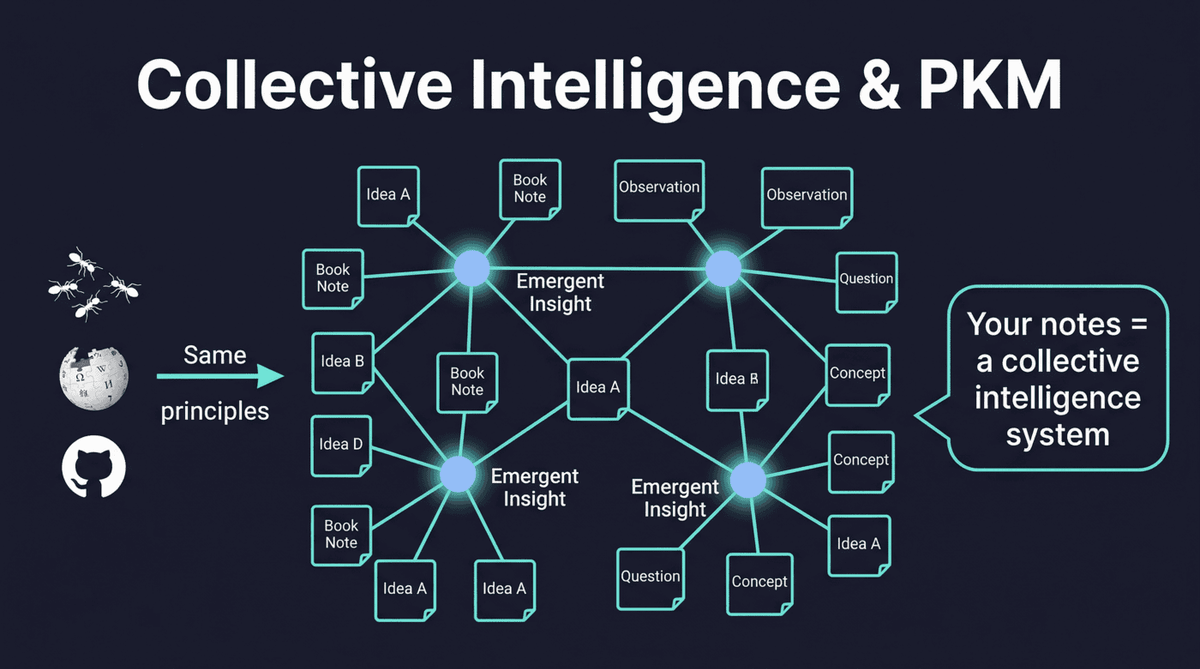
How I Manage All My Tasks Inside Obsidian with the TaskNotes Plugin
No separate app. No context switching. Everything connected. This article (and video) shows how I manage ALL my tasks inside Obsidian using the TaskNotes plugin.
Sebastien Dubois
Your AI Doesn't Know You: Why PKM Is the Missing Foundation for AI Agents
Most AI agents are flying blind. They have no memory, no context, and no idea who you are. This article explains why your knowledge base is the missing piece.
Sebastien Dubois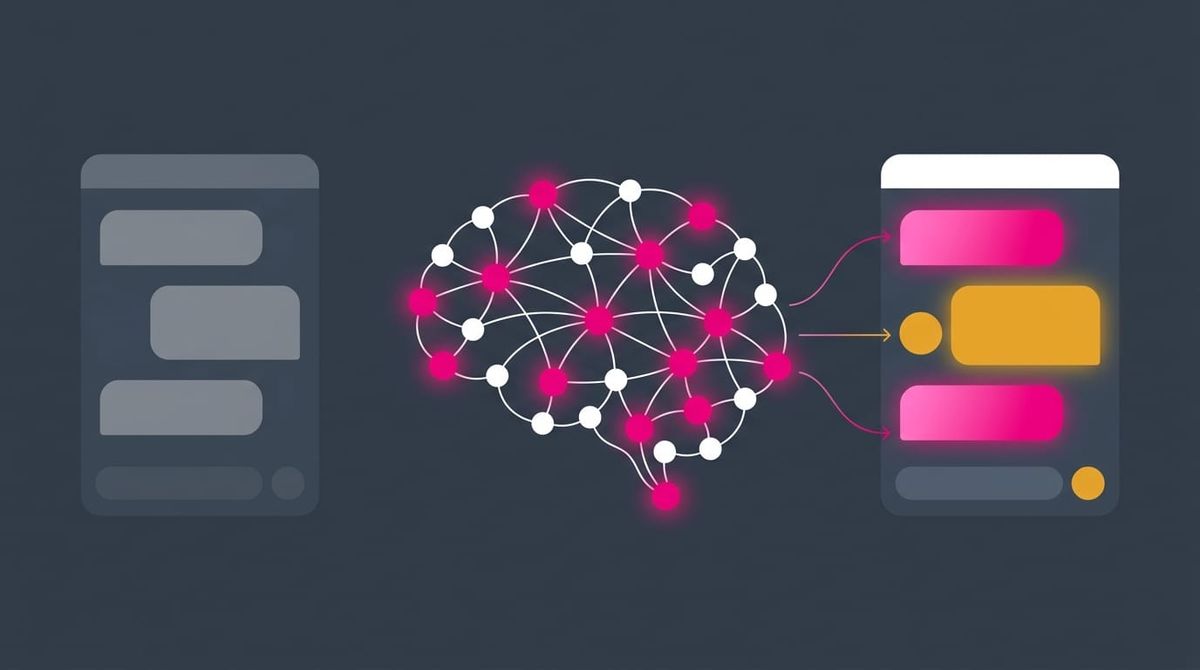
Analog Reading, Digital Knowledge: The Full Pipeline From Paper Notes to AI Skills
I read books on paper, take handwritten notes, and turn them into connected atomic notes and AI skills. This article walks through the entire pipeline and the thinking behind each step.
Sebastien Dubois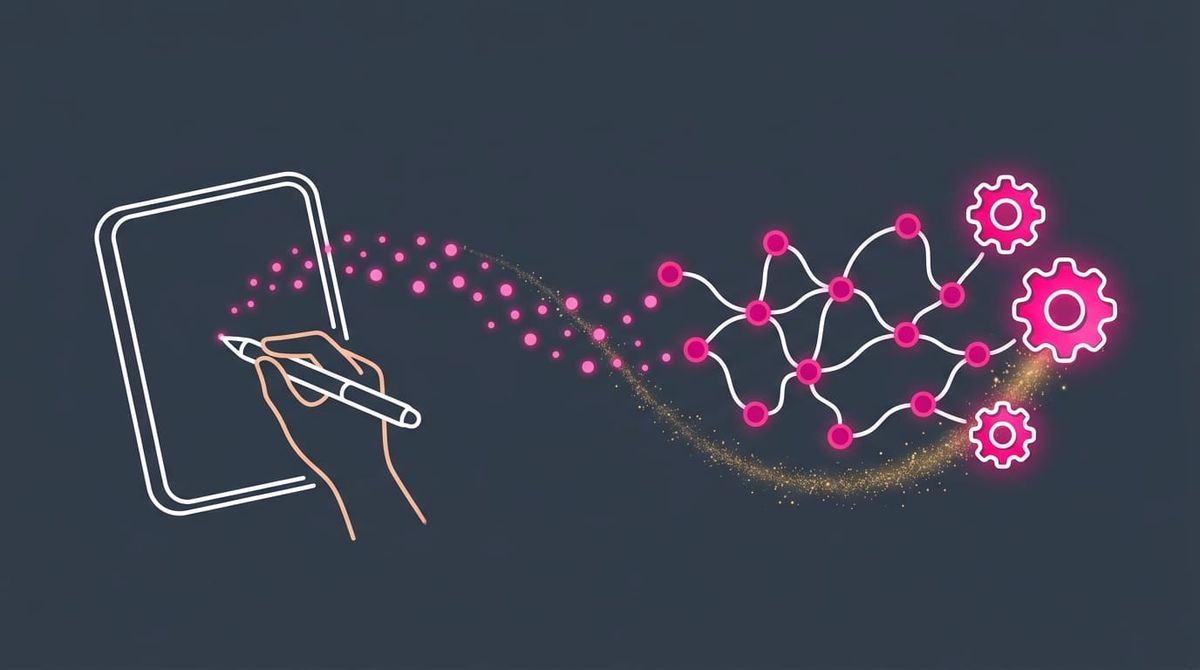
I Built an Obsidian Plugin to Convert Handwritten Notes to Markdown
Point any image in your Obsidian vault at a local AI model and get structured Markdown back. Headings, lists, quotes, even Mermaid diagrams. No data leaves your machine.
Sebastien Dubois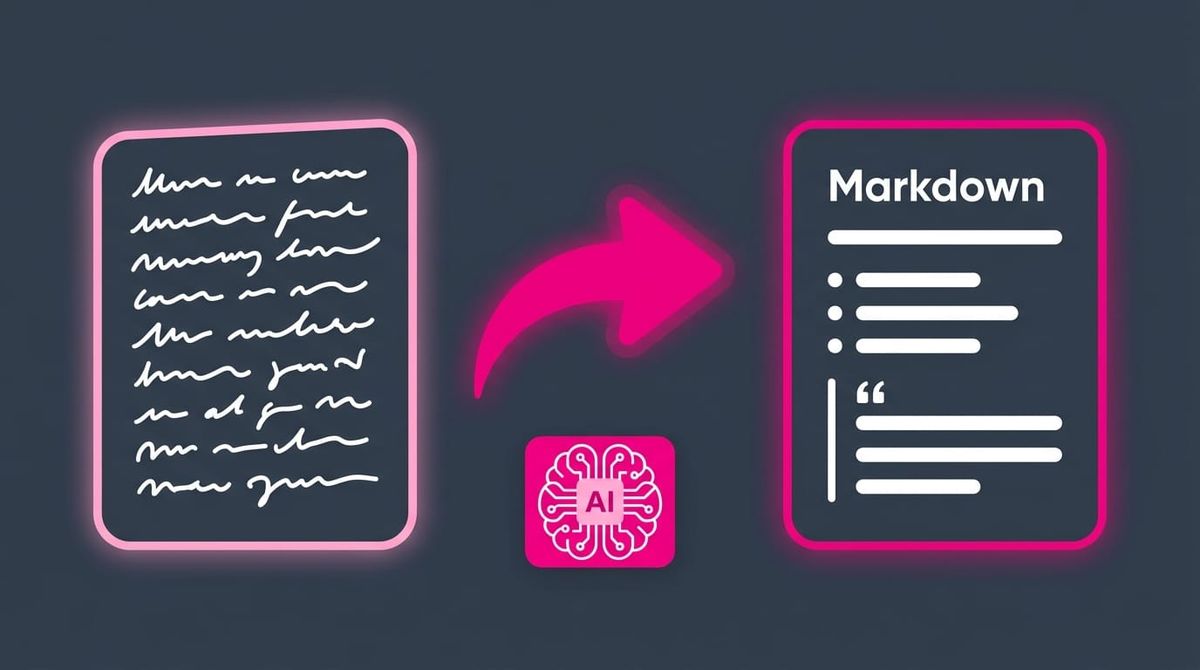
Slopsquatting, Typosquatting, and the New Software Supply Chain Attacks
AI coding tools hallucinate fake package names. Attackers register them. You install malware. This article covers how slopsquatting works, why vibe coding makes it worse, and what you can do about it.
Sebastien Dubois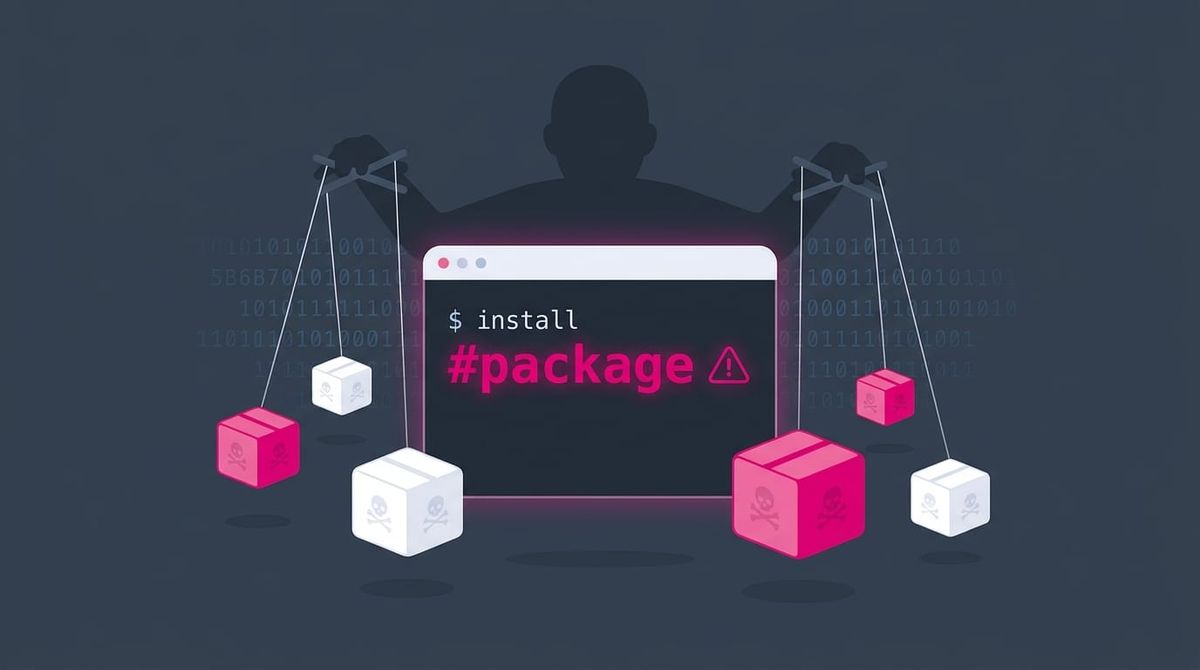
I Built a Graph Explorer for Obsidian Bases
LLM Wikis generate tons of interconnected notes, but without a visual layer, you can't see clusters, gaps, or what still needs review. So I built Graph Explorer Base View to solve exactly that.
🔗 I Built a Graph Explorer for Obsidian Bases - Here's Why LLM Wikis Need a Visual Layer (Article)
Latest Videos
reMarkable Sync Plugin for Obsidian
Syncing reMarkable notebooks into Obsidian automatically. The first step in the handwritten-notes-to-vault pipeline.
Transcriber Plugin for Obsidian
The second step: converting handwritten note images into structured Markdown using local AI. No data leaves your machine.
Levels of AI Use
Why PKM is the missing piece in the AI usage ladder. Most people are stuck at level 1. Your knowledge system is what takes you higher.
Books
I finished J'ai commencé par mourir by Gilles Legardinier. A moving novel about a man who gets a second chance at life. Legardinier has a gift for mixing humor with raw emotion. Recommended if you read French. I also finished Auschwitz Lullaby by Mario Escobar, which is based on a real story; and Ambre by Maxime Chattam. I'm currently reading Digital Fortress by Dan Brown. Classic techno-thriller territory. Fun and fast-paced.
I also started reading The Mountain is You by Brianna Wiest. Really good so far. It's about self-sabotage and how to get out of your own way. If you're interested in personal growth, this one's worth your time.
Quotes of the Week
AI will magnify the already great difference in knowledge between the people who are eager to learn and those who aren't — Paul Graham
A bad system will beat a good person every time — W. Edwards Deming
Self-education is infinitely fun, because it never ends. There is always something new to discover and learn
Daily 1 % improvements can make miracles in your personal, social, and professional life
Wisdom is knowledge put to action
Extreme results come from extremely obsessed people
New & Interesting Links
AI
- Gemma 4 — Google's latest open model family. And here's the cool part: you can run it on your phone (iOS or Android) using Google AI Edge Gallery. Really cool to see capable models running locally on mobile devices!
- GLM-5.1 — New Chinese LLM making waves
- Gemini 3.1 Flash Live and Gemini Mobile App — Google's real-time AI getting more accessible
- Claude Code Ultraplan, Claude Code Computer Use, Claude Code Web Scheduled Tasks — Claude Code keeps evolving fast
- Codex plugin for Claude Code — OpenAI's coding agent meets Claude's CLI
- Knowledge Distillation and Synthetic Data — How AI models learn from other AI models
- AI Expert Offloading — Delegating specialized tasks to specialized models
- Agentic Development Environment (ADE) — The IDE is becoming an agent platform
- Vercel AI Gateway — Unified API gateway for multiple AI providers
- Google AI Edge Gallery — Running AI models on edge devices
- Dense AI Models vs Sparse AI Models — Understanding the architecture tradeoffs
- How Coding Agents Work — Demystifying the agent loop
Tools
- Marp — Markdown-to-presentation slides. Simple and effective
- MarkItDown — Convert various file formats to Markdown
- Roo Code — Another AI coding assistant entering the arena
- Agentfiles plugin for Obsidian — Manage AI agent configurations in your vault
- Onyx — Open-source AI platform worth watching
- TaskNotes TUI — Terminal UI for task management
- internetVin Terminal plugin for Obsidian — I'm testing this as an alternative to the Terminal plugin for Obsidian. Interesting approach worth keeping an eye on
Concepts
- The 50-50 Rule — Spend half your learning time consuming, half processing
- Compounding Knowledge — Why consistent knowledge work pays exponential returns
- LLM Wiki — The concept behind AI-maintained knowledge bases
- Context Engineering — The #1 AI skill to develop right now
Security
- Slopsquatting, Typosquatting, Dependency Confusion, Starjacking — The growing taxonomy of software supply chain attacks
- Software Supply Chain Security and Package Registry Security — The defensive playbook
Worth Watching
- Two cool presentations by Henrik Kniberg on AI-powered software development from the trenches. Highly recommended if you want to see how experienced practitioners actually use AI in real projects:
People
- Fei-Fei Li — AI pioneer and author of The Worlds I See
That's it for today! ✨
About Sébastien
Ready to get to the next level?
Found this valuable? Share it with someone who needs it.